It’s honestly a bit annoying how quickly “simple backup power” turned into a wall of acronyms, watt-hour charts, and marketing claims that all sound the same after a while. You just want something that keeps your phone alive during a blackout or runs a small fridge on a camping trip. Instead, you end up comparing charts like you’re buying a spaceship component.
Still, portable power stations have become genuinely useful in 2026. Not niche anymore. Not just for campers either. They’re showing up in apartments, small businesses, road trips, even classrooms and content studios. And the tech has improved enough that picking the right one is less about hype and more about matching real-world usage.
Let’s break it down properly so you don’t overbuy or, worse, end up with something underpowered when you actually need it.

What a Portable Power Station Actually Does (Without the Buzzwords)
A portable power station is basically a rechargeable battery system with built-in power conversion. It stores energy and turns it into usable electricity through AC outlets, USB ports, and sometimes DC outputs.
Inside, you’ll usually find:
- A battery pack (most modern ones use LiFePO4 lithium iron phosphate cells)
- An inverter (converts DC to AC for household devices)
- A battery management system (protects against overheating, overcharging, overload)
Unlike fuel generators, there’s no combustion. No fumes. No engine noise.
Modern units can be charged in three main ways:
- Wall outlet (fastest)
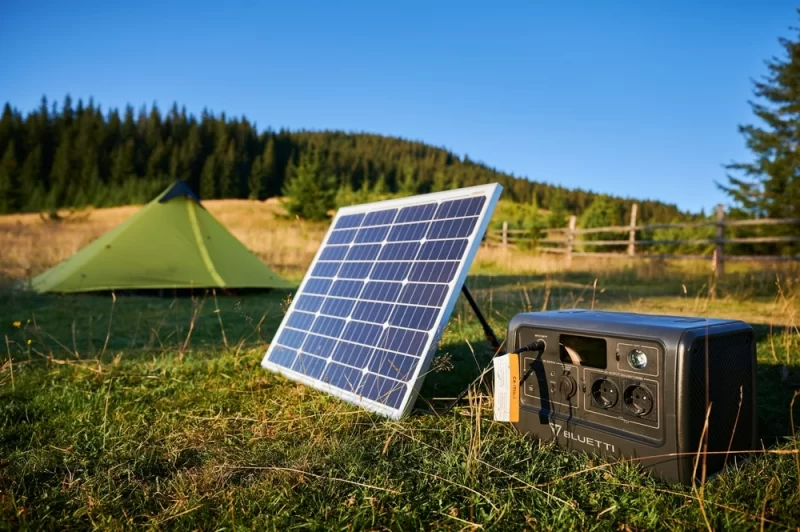
- Solar panels (off-grid use)
- Car charging (slow but useful in transit)
Why LiFePO4 matters in 2026
This is worth paying attention to. Most mid-to-high-end models now use LiFePO4 batteries because they:
- Last 3,000–6,000 charge cycles
- Handle heat better
- Are safer under heavy load
Brands like EcoFlow, Bluetti, and Anker have largely shifted away from older lithium-ion chemistry in newer releases.
Why People Are Actually Buying Them Now (Not Just “Backup Power”)
The reasons have shifted. It’s no longer just emergency prep.
1. Power cuts are more disruptive than people expect
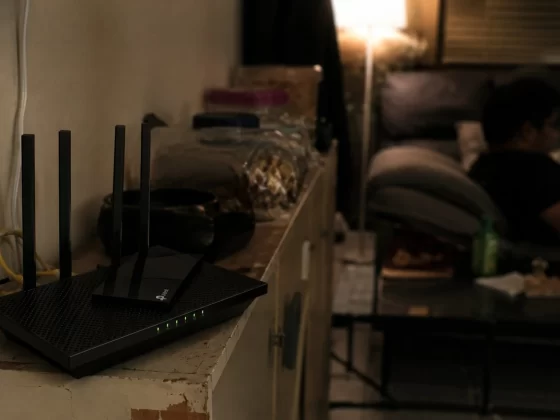
Even short outages now break work routines. Wi-Fi routers go down. Laptops die mid-task. Remote workers feel it instantly.
2. Outdoor travel has changed
Camping isn’t “roughing it” anymore. People bring:
- Mini fridges
- Camera gear
- Starlink or mobile routers
- Drone charging setups
3. Small-space living
In apartments where gas generators are impossible, a portable station becomes the only practical backup option.
4. Content creation setups
Photographers and video editors use them for:
- On-location shoots
- Lighting rigs
- Charging multiple batteries at once
It’s less about survival. More about avoiding interruption.
The Specs That Actually Matter (And the Ones You Can Ignore)
Most product pages overwhelm you with numbers. Only a few of them really matter.
Battery capacity (Wh)
This tells you how long it takes things.
Quick mental math:
- 500Wh → phone, laptop, lights
- 1000Wh → fridge for several hours, heavier devices
- 2000Wh+ → multi-device setups or emergency home backup
Example:
A 100W device on a 1000Wh station runs roughly 8–9 hours after losses.
Output power (W)
This is where people mess up.
If your station is rated 1000W:
- It can’t run a 1500W kettle
- It may still run a 900W microwave
Look for:
- 600–1000W → basic use
- 1500–2000W → appliances and tools
- 2000W+ → serious backup use
Surge power
Important for devices like fridges. They spike on startup. A 1000W fridge may briefly need 2000W.
Charging speed
Newer models are surprisingly fast:
- 0–80% in ~45–60 minutes (high-end EcoFlow, Anker units)
- 2–4 hours (mid-range)
Real-World Uses That Actually Make Sense
Here’s where specs meet reality.
During a blackout
A 1000–1500Wh station can keep:
- Wi-Fi router running all night
- Phone and laptop charged
- LED lights on for 10–20 hours
Camping trips
- Electric cooler
- Portable fan
- Drone + camera charging
Road trips / van setups
- Small induction cooker
- Charging multiple devices
- Lighting system at night
Work sites
- Power drills (check watt rating first)
- Portable lighting rigs
Best Portable Power Stations in 2026 (Real-World Current Picks)
This list focuses on active, widely available models in 2025–2026, not legacy units that only still hang around because of old reviews.
EcoFlow DELTA 2 Max (Still a Sweet Spot, But Not the Flagship Anymore)
It still holds up, but it’s now more of a “mid-high balance” unit rather than the top of EcoFlow’s ecosystem.
- ~2048Wh capacity (expandable with extra batteries)
- LiFePO4 battery chemistry (long lifecycle)
- 2400W output (surge higher)
- Fast AC charging (~1–1.5 hours depending on input setup)
- Strong UPS support for home backup use
What’s changed in the market is context: EcoFlow now pushes people toward the DELTA Pro Ultra if they’re thinking whole-home backup. The 2 Max sits right below that tier.
Best for:
- Apartment backup power
- Travel + home hybrid use
- People who want serious output without stepping into “home energy system” territory
EcoFlow DELTA Pro Ultra (New Direction: Home Power, Not Portable Camping)
This is where EcoFlow’s strategy clearly moved.
- Designed for home energy backup
- Massive scalable storage (multi-kWh systems)
- High-output inverter system (whole-home circuits possible with setup)
- LiFePO4 battery packs
- Smart panel integration for automatic switching
This is not something you casually carry around anymore. It’s closer to a modular home power wall system.
Best for:
- Home blackout protection
- Solar integration setups
- Long-duration emergency backup
Jackery Explorer 1000 v2 (Now the True “Entry Premium” Standard)
Jackery quietly improved this line without overcomplicating it.
- ~1070Wh capacity
- 1500W output
- Lighter and more efficient than earlier Explorer generations
- Faster charging than older Jackery 1000 models
- Cleaner inverter output for sensitive electronics
Jackery has also shifted heavily into its “Plus” modular ecosystem, which matters more if you’re scaling.
Best for:
- Travel-heavy users
- Simple camping setups
- People who don’t want complex app ecosystems
Jackery Explorer 2000 Plus (The One That Actually Replaced the Old “Big Jackery” Role)
This is the real upgrade path most users now move toward.
- ~2042Wh base (expandable)
- Modular battery expansion system
- 2200W+ output range
- LiFePO4 battery platform
- Solar input support significantly improved vs older models
This is basically Jackery catching up to EcoFlow/Bluetti modular ecosystems.
Best for:
- RV users
- Extended camping setups
- Semi-off-grid living
Bluetti AC200L (Current “Workhorse Standard”)
Bluetti has leaned hard into high-output, solar-heavy systems.
- ~2048Wh capacity
- 2400W output
- LiFePO4 battery
- Strong solar input support (high-watt solar charging capability)
- Fast recharge via AC or solar hybrid setups
Compared to the older Bluetti AC200MAX, the AC200L is more efficient, faster charging, and more stable under load.
Best for:
- Emergency home backup
- Heavy device use (tools, appliances)
- Solar-first users
Bluetti AC240 (Newer “Portable But Serious” Category)
This one is part of Bluetti’s newer push toward rugged portability.
- Around 2400W class output
- LiFePO4 chemistry
- Designed for outdoor durability and water resistance focus
- Strong solar input optimization
This sits between camping power stations and home backup systems.
Best for:
- Outdoor field work
- Travel setups with heavier demand
- Weather-exposed environments
Anker SOLIX F2000 (Still One of the Most Reliable Mid-High Units)
Anker’s rebrand into SOLIX is now fully established.
- ~2048Wh capacity
- 2400W output
- Long-life LiFePO4 system (high cycle durability)
- Very stable power delivery (important for sensitive electronics)
- Built for consistent use rather than experimental features
Anker has also expanded upward into the F3800 series for high-capacity home backup systems.
Best for:
- Reliability-focused users
- Long-term daily use
- Indoor-safe emergency backup setups
Anker SOLIX F3800 (The “Almost Whole Home” Portable System)
This is where things start getting borderline stationary.
- ~3.8kWh class system (expandable significantly)
- High continuous output suitable for major appliances
- Designed for hybrid solar + grid setups
- EV-charging compatibility in some configurations
It’s technically portable, but realistically, it behaves like a modular energy unit.
Best for:
- Full home backup systems
- Solar-powered households
- Heavy appliance usage during outages
Goal Zero Yeti PRO 4000 (Updated Direction of the Yeti Line)
Goal Zero has shifted from smaller modular kits into higher-capacity “PRO” systems.
- ~3–4kWh class capacity depending on configuration
- Designed for solar-first ecosystems
- Strong integration with portable solar panels
- Rugged build focus
This replaces the older “Yeti 1500X as flagship” idea entirely.
Best for:
- Off-grid solar setups
- Emergency preparedness users
- Long-term outdoor installations
What Actually Changed in 2026 (And Why It Matters More Than Brand Names)
A few structural shifts have basically reshaped how these devices are designed and sold. Once you see them, most product comparisons start to feel a bit outdated.
1. Everything is LiFePO4 now
This is probably the biggest quiet upgrade in the entire category.
Most serious portable power stations now use LiFePO4 (lithium iron phosphate) batteries instead of older lithium-ion designs.
What changes in real life:
- Longer lifespan (often 3,000–6,000 cycles)
- Better heat stability
- Lower degradation over time
- Safer storage and charging behavior
Older lithium-ion units still exist, but they’re mostly pushed into budget segments or phased-out stock. In the premium and mid-range space, LiFePO4 is now the default expectation, not a feature.
2. Modular expansion is now the default expectation
This is where the entire buying logic shifted.
Instead of buying a single oversized unit and calling it a day, the newer approach looks like this:
- Start with a base station (2kWh-ish is common now)
- Add expansion batteries later if needed
- Scale capacity depending on lifestyle changes
That means your “power system” is no longer a fixed box. It becomes something you build over time.
It also explains why models like EcoFlow and Bluetti systems feel more like ecosystems than standalone devices now.
3. Home backup and portable systems are merging
This line used to be very clear:
- Portable power station = camping/travel
- Home backup system = generator / fixed installation
That separation is fading fast.
Brands like EcoFlow and Anker especially have blurred it to the point where one product family can cover both:
- Small portable units for travel
- Expandable systems for home outages
- Hybrid setups that integrate with smart panels or circuits
So instead of choosing “portable OR home backup,” people are now choosing where they sit on that scale.
A small apartment user might stay portable. A homeowner might quietly drift into a semi-fixed energy setup without ever buying a traditional generator.
4. Solar input is no longer an optional extra
A few years ago, solar charging was a bonus feature. Something you “could do” if you bought panels.
Now it’s built into the design assumption.
Most mid-range and high-end stations in 2026 support:
- 800W to 1600W+ solar input (sometimes higher in larger systems)
- Dedicated MPPT controllers for efficiency
- Multi-panel compatibility setups
That matters because it changes how fast you can realistically recover power off-grid.
It also changes expectations. Solar isn’t framed as “nice for camping.” It’s part of the core charging strategy.
Solar Charging: What Actually Works (and What People Get Wrong)
Solar charging sounds simple until you actually rely on it for more than topping up a phone. A lot of disappointment comes from expecting it to behave like a wall socket replacement. It doesn’t.
Here’s what actually holds up in real-world use.
What works well
These are the scenarios where solar charging genuinely makes sense:
- Weekend camping trips with daytime charging windows
- Slow top-ups between device use cycles
- Emergency backup when grid power is unstable
- Extending battery life during multi-day outdoor stays
In these situations, solar doesn’t replace power. It stretches it. That’s the key difference.
What doesn’t work well
This is where expectations usually break.
- Fully replacing wall charging in cloudy or low-light regions
- Running heavy loads continuously without a stored buffer capacity
- Relying on solar alone for consistent high-draw appliances
Solar input is variable. Even high-end panels depend heavily on weather, angle, and time of day. That unpredictability is why storage capacity still matters more than panel wattage in most setups.
The quiet upgrade that made solar actually usable: MPPT controllers
This is a technical detail that has a real impact.
Most modern power stations now include MPPT (Maximum Power Point Tracking) controllers.
What they actually do:
- Continuously adjust voltage and current from solar input
- Extract more usable energy from inconsistent sunlight
- Reduce wasted power during partial shading or changing conditions
Without MPPT, solar charging feels inconsistent and inefficient. With it, the system behaves more intelligently, especially during real outdoor use, where sunlight is rarely perfect.
Portable Power Station vs Generator (Difference in 2026)
| Feature | Power Station | Fuel Generator |
|---|---|---|
| Noise | Silent | Loud |
| Indoor use | Safe | Not safe |
| Maintenance | Minimal | Regular servicing |
| Fuel | Electricity / Solar | Petrol / Diesel |
| Startup | Instant | Manual / Delay |
Power stations win in everyday usability, safety, and convenience.
Mistakes People Still Make When Buying a Portable Power Station
This is usually where people go wrong. Not because they pick the wrong brand, but because they assume power works more generously than it actually does.
1. Buying based on “sounds enough” instead of real usage
A 300Wh unit feels fine on paper. It even sounds decent in ads.
Then reality shows up:
- A laptop running Zoom eats more than expected
- A Wi-Fi router runs all night longer than planned
- Phone charging isn’t the only thing draining it
And suddenly that “small backup” is gone in a couple of hours.
What people miss is simple:
devices don’t run in isolation in real life. They stack.
2. Forgetting surge power is where most failures happen
This is the quiet one that catches people off guard.
A power station might say 1000W output. Sounds solid.
Then you plug in:
- a fridge
- a water pump
- or even some power tools
And it shuts down instantly.
Not because it’s broken. Because startup spikes are higher than running power.
So what happens is this:
- It works for lights and phones
- It fails exactly when you need heavier appliances
That mismatch is where most “this thing is useless” reviews come from.
3. Treating weight like an afterthought
Specs look clean until you actually lift the unit.
A 2000Wh station isn’t a small gadget. It’s closer to:
- carrying a heavy speaker box
- or dragging a small suitcase without wheels
People often plan for “portable use” and then realize:
- it stays in one place most of the time
- moving it between rooms becomes a chore
- travel setups suddenly feel less flexible than expected
Portability is real. But it has limits.
4. Expecting solar to behave like a wall outlet
This one causes the most disappointment.
Solar feels like freedom in theory. In practice, it behaves more like:
- slow topping up
- weather-dependent charging
- “good enough for extension, not replacement”
What usually happens:
- people expect full recharge in a few hours
- clouds reduce output without warning
- angles and placement matter more than expected
So instead of replacing charging, solar ends up being what it actually is:
a support system, not a primary fuel source
Maintenance Tips That Actually Extend Battery Life
Nothing here is complicated. The problem is people only care about maintenance after something starts degrading.
Keep the battery in a “comfortable range”
Try not to leave it sitting at:
- 0% for long periods
- 100% for weeks at a time
A practical habit:
- store it around 20%–80% when not in use
This reduces long-term stress on the battery cells.
Don’t ignore idle time
Even if you don’t use it often, don’t just forget it in a corner.
Every few months:
- give it a partial recharge
- run a small load test (like charging a laptop or light setup)
It keeps the system active enough to avoid deep discharge issues.
Heat is the silent killer
This gets overlooked constantly.
Avoid storing it in:
- parked cars under the sun
- enclosed hot storage rooms
- direct heat exposure near appliances
High heat doesn’t break it instantly. It just quietly shortens lifespan over time.
Avoid constant max-load usage
Running it at full capacity all the time isn’t ideal.
Better approach:
- treat high-load output as temporary use
- avoid chaining heavy devices unnecessarily
It’s less about “can it handle it” and more about “should it run like this daily”.
Most problems with portable power stations don’t come from bad products. They come from mismatched expectations. People think in specs. Real usage behaves more like a messy combination of devices, timing, and habits.
Once you start thinking in actual scenarios instead of numbers on a box, most of these mistakes disappear pretty quickly.
Conclusion
Portable power stations aren’t just “backup gadgets” anymore. They’ve become part of how people handle mobility, work continuity, and basic energy independence. The difference between a good and bad purchase usually comes down to three things: capacity, output stability, and realistic expectations about how often you’ll actually use it at full load.
The best unit isn’t the biggest one. It’s the one that fits your actual daily friction points. For some people, that’s just keeping Wi-Fi and phones alive during outages. For others, it’s running appliances off-grid for days.
Once you strip away the marketing noise, the decision becomes a lot simpler.
Before buying anything, list what you actually want to power during a 2–4 hour outage. Not ideal scenarios. Real ones. That alone usually narrows choices down faster than any spec sheet ever will.