The rapid advancement of technology over the past few decades has significantly impacted numerous sectors, and robotics has emerged as one of the most transformative technologies of the 21st century. From manufacturing plants to healthcare facilities, the application of robotics is revolutionizing the way industries operate and how everyday tasks are performed. Robots are no longer confined to the realm of science fiction; they are integrated into various fields, helping humans by increasing efficiency, precision, and safety.
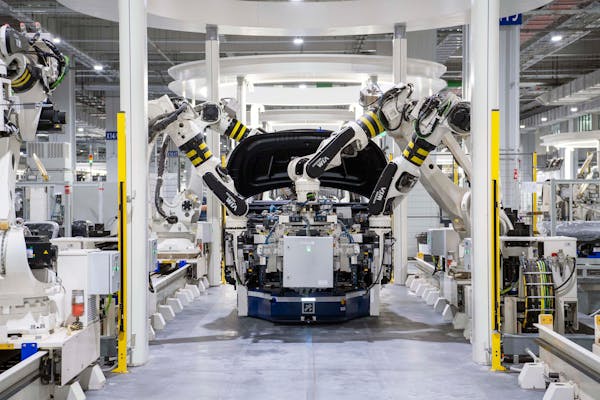
This article will delve into the diverse applications of robotics, exploring how robots are reshaping industries such as manufacturing, healthcare, agriculture, and space exploration. We will also examine how robotics is enhancing human productivity, providing new solutions to old problems, and even creating ethical challenges. The application of robotics is not just about technology—it’s about how this technology interacts with society, and how it could shape the future.

1. Application of Robotics in Manufacturing
Manufacturing was one of the earliest sectors to embrace robotics, with its application of robotics now being an integral part of modern production processes. This trend dates back to the 1960s, when General Motors deployed the first industrial robot in their assembly line. Since then, the evolution of robotics has had a profound effect on manufacturing, especially in industries like automotive, electronics, and heavy machinery.
a. Automation and Precision
The application of robotics in manufacturing primarily focuses on automating repetitive tasks, such as assembly, welding, painting, and material handling. Robots perform these tasks with higher precision and speed than human workers, leading to consistent quality control and reduced error rates. Automated systems, for instance, can work around the clock without fatigue, significantly boosting productivity.
In industries like automotive production, robots are used to weld car frames, paint surfaces, and even assemble intricate engine parts. This not only reduces the cost of labor but also minimizes the risks of workplace injuries in hazardous environments. Furthermore, the introduction of collaborative robots, or “cobots,” has paved the way for robots to work alongside humans, enhancing productivity without completely replacing human jobs.
b. Flexibility in Customization
One key advantage of the application of robotics in manufacturing is its adaptability to changing production needs. Traditional manufacturing lines often had to be reconfigured manually for each new product, which was time-consuming and costly. However, with robotics, production systems can be easily reprogrammed to handle different products or tasks. This flexibility allows manufacturers to quickly adapt to market demands and produce customized goods more efficiently.
For instance, robots equipped with advanced machine vision systems can perform quality inspections, sorting products based on defects or size. This capability ensures that only high-quality goods reach consumers, enhancing overall brand reputation.
2. Application of Robotics in Healthcare
The application of robotics in healthcare is revolutionizing medical practices and patient care. From performing complex surgeries to assisting in rehabilitation, robots are enhancing the capabilities of healthcare professionals while improving patient outcomes. Robots in healthcare are designed to assist with precision, minimize human error, and handle tasks that would otherwise be difficult or dangerous for human workers.
a. Surgical Robotics
One of the most notable advancements in the application of robotics in healthcare is robotic-assisted surgery. These robots, such as the da Vinci Surgical System, allow surgeons to perform complex procedures with unprecedented precision. The robot’s arms, controlled by a surgeon from a console, can make micro-movements that would be difficult for the human hand to achieve. This results in less invasive procedures, reduced recovery time, and minimal scarring for patients.
Robotic surgery is particularly beneficial in fields like cardiology, neurology, and orthopedics, where delicate procedures require extreme precision. For example, in brain surgery, robots can help in navigating tight spaces and avoiding sensitive tissues, significantly reducing the risks of complications.
b. Rehabilitation and Prosthetics
The application of robotics in rehabilitation and prosthetics has brought new hope to patients recovering from injuries or living with disabilities. Robotic exoskeletons, for instance, are used to help individuals with spinal cord injuries or stroke survivors regain mobility. These wearable devices support the user’s movements and aid in physical therapy by providing consistent, adjustable resistance during exercises.
Additionally, robotic prosthetic limbs have become more advanced with the integration of sensors and artificial intelligence (AI). These prosthetics can now mimic natural limb movements, responding to nerve signals or muscle contractions, offering users a higher degree of control and functionality.
c. Robotic Caregivers
Another emerging application of robotics in healthcare is the development of robotic caregivers. As the global population ages, there is a growing demand for caregiving services. Robotic caregivers, such as companion robots and nursing assistants, can help alleviate the burden on healthcare workers by assisting elderly patients with daily tasks, such as medication reminders, mobility support, and even social interaction. These robots are not intended to replace human caregivers but to supplement the care provided, improving the quality of life for elderly or disabled individuals.
3. Application of Robotics in Agriculture
Agriculture is another industry where the application of robotics is driving significant change. With the global demand for food continuously rising and challenges such as labor shortages and environmental concerns becoming more pressing, robots offer innovative solutions to enhance agricultural productivity and sustainability.
a. Precision Agriculture
The application of robotics in agriculture is closely tied to the concept of precision agriculture, which involves using technology to monitor and manage farming activities with high accuracy. Robots in agriculture can perform tasks like planting, harvesting, weeding, and monitoring crop health. Drones, for example, equipped with sensors and cameras, can capture detailed aerial images of fields, allowing farmers to assess crop health, detect pest infestations, or identify areas that need more water or fertilizer.
Autonomous tractors and robotic harvesters are also becoming more common in large-scale farming. These machines can work tirelessly, day and night, to plant seeds or harvest crops without the need for human intervention. By optimizing resource use and reducing waste, the application of robotics in agriculture is helping farmers achieve higher yields while minimizing their environmental footprint.
b. Livestock Management
In addition to crop management, the application of robotics is also transforming livestock farming. Robots can automate tasks such as feeding, milking, and monitoring the health of animals. Automated milking systems, for instance, allow dairy farmers to increase efficiency by enabling cows to be milked on their own schedule. These systems also collect data on each cow’s milk production and health, helping farmers make informed decisions about their herd’s care.
The use of robotic systems in livestock management not only reduces labor costs but also ensures that animals are treated consistently and humanely.
4. Application of Robotics in Space Exploration
Perhaps one of the most awe-inspiring applications of robotics is in space exploration. As humanity continues to explore the universe, robots have become indispensable tools for conducting missions in environments that are too hostile or distant for humans.
a. Mars Rovers and Space Probes
NASA’s Mars rovers, such as Curiosity and Perseverance, exemplify the application of robotics in space exploration. These autonomous robots are designed to traverse the Martian surface, collect soil samples, and conduct scientific experiments. Equipped with cameras, spectrometers, and drilling tools, these rovers provide valuable data about Mars’ geology and potential for life.
The use of robots in space exploration allows scientists to explore distant planets, moons, and asteroids without the need to send humans into dangerous or unknown environments. In addition to Mars rovers, space probes like the Voyager missions have been instrumental in exploring the far reaches of our solar system, sending back images and data that have expanded our understanding of the universe.
b. Space Station Robotics
The application of robotics is also crucial in maintaining and supporting human missions in space. Robotic arms, such as the Canadarm2 on the International Space Station (ISS), are used to perform tasks like docking spacecraft, moving equipment, and assisting with repairs. These robotic systems help astronauts perform tasks that would be too dangerous or physically demanding in space.
Looking to the future, space agencies are developing robotic systems to aid in constructing habitats on the Moon and Mars, where human presence may be limited.
5. Application of Robotics in Daily Life
Beyond industrial and scientific uses, the application of robotics is increasingly making its way into our daily lives. From smart home devices to personal assistants, robots are becoming more integrated into the way we live, work, and interact with our surroundings.
a. Domestic Robots
The application of robotics in households has grown significantly with the development of domestic robots designed to assist with everyday chores. Robotic vacuum cleaners, such as the Roomba, are now a common sight in homes, autonomously navigating around rooms to clean floors without human intervention. Similarly, robotic lawn mowers can maintain gardens with minimal effort from homeowners.
Robots are also being used to enhance home security. AI-powered home surveillance robots can monitor properties, detect intrusions, and even communicate with homeowners in real-time, providing an extra layer of safety and peace of mind.
b. Personal Assistants and AI-Driven Devices
Virtual assistants like Amazon’s Alexa or Google Home, while not physical robots, demonstrate how AI-driven systems are integrated into daily life to perform tasks such as scheduling, controlling smart home devices, and providing information. These assistants represent the application of robotics in creating seamless, interactive environments where technology anticipates human needs and simplifies routine tasks.
As technology progresses, it is likely that personal assistant robots will become more sophisticated, capable of performing more complex tasks and interacting with humans in a more natural and intuitive manner.
6. Ethical and Societal Implications of the Application of Robotics
While the application of robotics offers tremendous benefits, it also raises ethical and societal concerns that must be addressed. As robots become more capable and autonomous, questions surrounding job displacement, privacy, and the ethical use of AI in decision-making processes have gained prominence.
a. Job Displacement and the Future of Work
One of the primary concerns regarding the application of robotics is the potential for job displacement. As robots take on tasks traditionally performed by humans, there is a fear that widespread automation could lead to significant unemployment in sectors such as manufacturing, agriculture, and even healthcare. However, it is important to recognize that while robots may replace some jobs, they are also creating new opportunities in fields like robotics engineering, programming, and maintenance.
b. Privacy and Security Concerns
As robots become more integrated into our lives, especially in homes and workplaces, concerns about privacy and security emerge. Robots equipped with cameras, microphones, and AI systems have the potential to collect vast amounts of data about their users. Ensuring that these systems are designed with privacy in mind and are protected against hacking is critical to maintaining trust in robotic technologies.
c. Ethical AI and Autonomous Decision-Making
The application of robotics in autonomous systems, such as self-driving cars or military drones, brings up complex ethical questions about how robots should make decisions in life-and-death situations. Should a self-driving car prioritize the safety of its passengers over pedestrians in a crash? Who is responsible if an autonomous robot makes a mistake that causes harm?
Addressing these ethical dilemmas requires careful consideration and the development of regulatory frameworks that balance the benefits of robotics with the potential risks.
Conclusion
The application of robotics is reshaping industries, enhancing human capabilities, and opening new frontiers in areas like space exploration, healthcare, and agriculture. As robots become more intelligent and autonomous, they will play an even more prominent role in our daily lives, changing the way we work, live, and interact with the world around us.
However, as we embrace the benefits of robotics, it is essential to address the ethical and societal challenges that arise. By doing so, we can ensure that the application of robotics continues to drive progress and improve the human experience while maintaining fairness, privacy, and security in an increasingly automated world.